The First Sign of Motion Sickness Is Usually a Kid Going Quiet, Not Throwing Up
The Insight
You are halfway through a theme park day, the family is in a rhythm, and the next coaster is already loading. Then you notice it: your kid has stopped talking. Not upset, not tired, just... quiet. No complaining, no visible distress. You figure they are fine.
That silence might be the only warning you get.
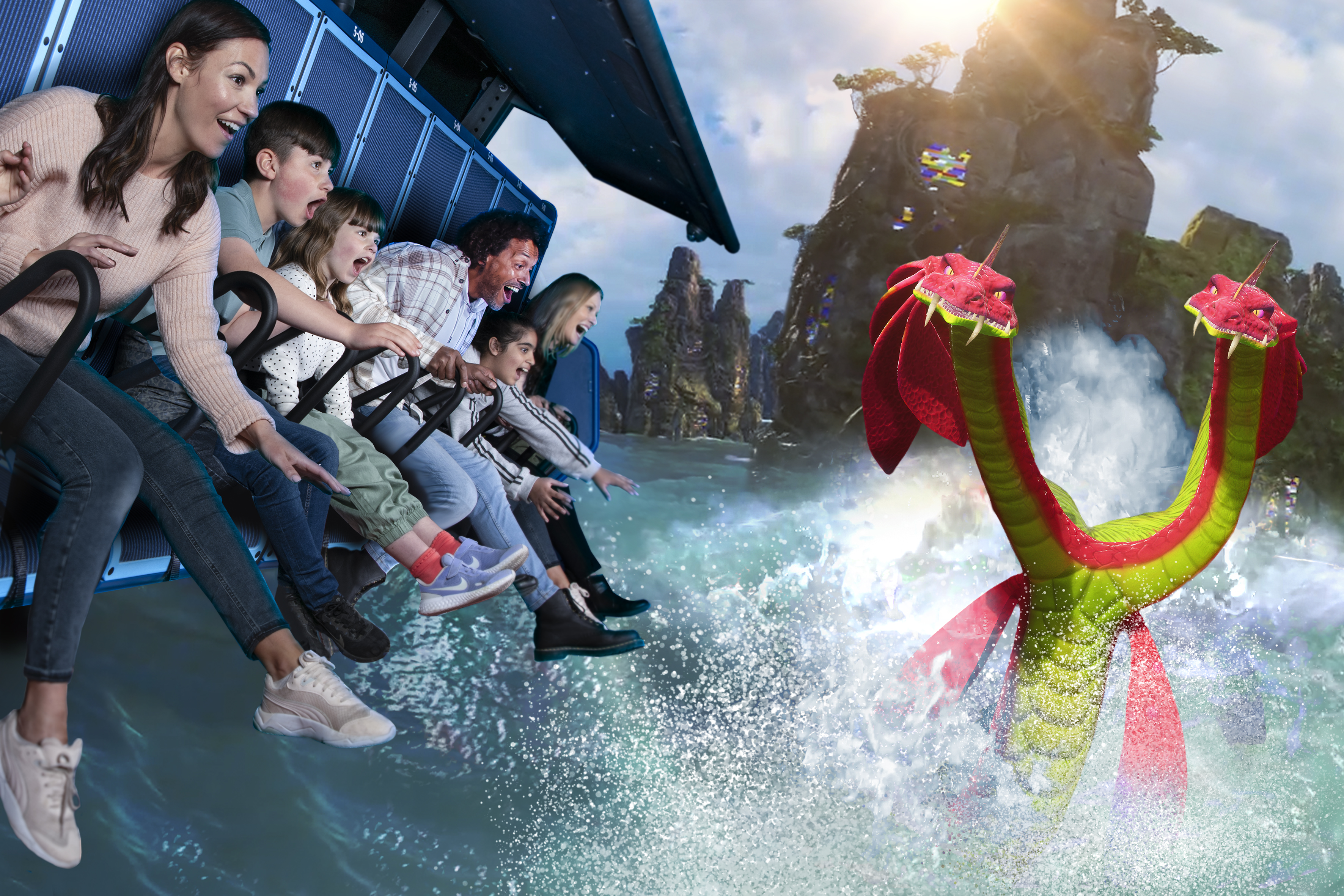
Motion sickness in kids does not usually announce itself with the dramatic symptoms adults expect. Before any nausea, before any vomiting, there is often a window of subtle signals: a child who goes pale, stops chatting mid-sentence, loses interest in the next ride, or just stares forward with a flat expression. These are real physiological signs that the vestibular system is struggling to reconcile what the eyes are seeing with what the inner ear is feeling.
If you miss that window, the day gets harder for everyone.
Why This Works
The motion sickness process follows a predictable sequence. The brain receives conflicting sensory input, and it starts escalating a distress response. Early in that sequence, kids get quiet and withdraw. Their energy redirects inward. They stop asking questions or pointing at things.
Later comes the pallor, the sweating, the complaint of a stomachache. Later still comes the vomiting. But that whole escalation can happen fast, sometimes within one or two rides, and the early behavioral cues are often the only ones that are easy to reverse.
Adults tend to look for the dramatic symptoms because those are the ones we recognize. But by the time a kid is actively sick, you have already missed the easy intervention point. The goal is to catch it in that first quiet phase, when a break and some fresh air can reset everything.
How to Use This on Your Next Visit
Make a habit of doing a quick check-in after every spinning ride, dark ride, or simulator. Not a full interrogation, just a read of the room. Is your kid still animated? Still asking what is next? Or have they gone a little flat?
The questions to ask in that moment are simple. “How are you feeling right now?” works better than “Are you okay?” because “okay” almost always gets a yes. You want them to actually think about it.
If the answer sounds like “I don’t know” or “I’m fine” delivered with zero enthusiasm, treat that as a yellow flag. Do not push onto the next ride immediately. Find a bench, get something to drink, let them sit in open air for ten or fifteen minutes.
On a practical level, front-load your spinning and simulator rides earlier in the day when stomachs are more settled. Some families also keep non-drowsy motion sickness medicine on hand and give it before the first ride of the day if their child has a history of sensitivity. That proactive approach works far better than waiting until symptoms appear.
Seating matters too. On spinning coasters and dark rides with a lot of visual motion, the front of a vehicle tends to give the brain more accurate motion cues than the back or the middle. It is not a guaranteed fix, but it helps.
A Quick Example
Say your group just finished a motion simulator. Your nine-year-old rides out, does not say anything, and when you ask if they want to do it again, they shrug. Yesterday they would have been sprinting back to the entrance.
That shrug is the signal. That is the quiet. Take a twenty-minute break, walk to a snack spot, let them sit. Odds are good they bounce back fully and the rest of the afternoon is great. Push through instead, and the next ride might be the one that tips them over.
Reading the quiet right is what keeps the whole day on track.
Thoosie tracks wait times and ride flow across the park in real time. If you need to swap a spinning ride for something smoother while someone in the group recovers, Thoosie shows you exactly what is moving and what is not, so you keep the day rolling without the guesswork.
 Thoosie