Every Split-Up Plan Needs a No-Phone Fallback
The Insight
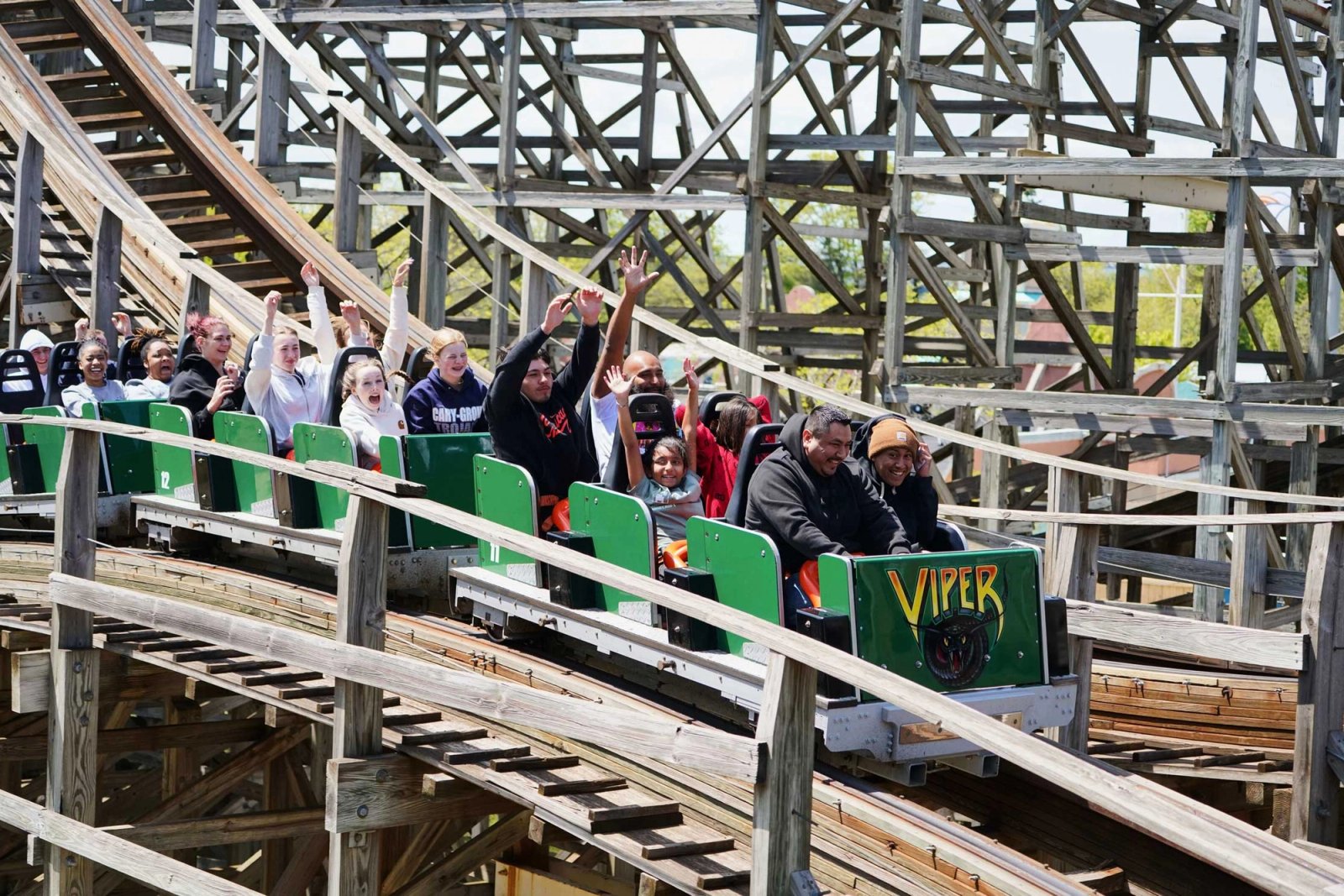
Splitting up at a theme park is one of the best moves you can make. Half the group chases the big coasters while the others hit the family rides or grab a table for lunch. Everyone gets more of what they actually want. But that plan only works when communication works, and phones are not as reliable as people assume. Before you scatter in four directions, spend two minutes building a backup plan that does not require a single bar of signal.
Why This Works
Think about everything that conspires against your phone on a park day. You ride something intense and the battery drains faster than expected. You walk into a 3D show and put it on silent, then forget to take it off silent. You lock it in a locker before a water ride and the locker is on the opposite end of the park from where you said you would meet. The signal in that mountain tunnel or that steel structure overhead goes to zero at exactly the wrong moment.
None of those are disasters on their own. They become a disaster when “text me when you’re done” is the only plan. Your kid is standing at the exit of a ride looking at a dead phone, and there is no fallback. That is the failure mode to design around.
A fixed time and a fixed place cost you nothing to set up. They work without signal, without battery, and without anyone remembering to check their messages.
How to Use This on Your Next Visit
Before you split up, agree on three things out loud:
One landmark. Pick something specific and hard to confuse. Not “near the food area” but “the big fountain at the front of Adventure Land” or “the bench directly in front of the castle.” Something a seven-year-old can navigate to without help.
Fixed check-in times. Agree on actual clock times, not “in about an hour.” Say 1:00 PM and 3:30 PM. Write it on your hand if you need to. The precision matters because “around 1” turns into people waiting at 12:45 PM and leaving at 1:10 before the other group arrives at 1:15.
A first adult to find. Every kid in your group should know which adult they go to first if their phone is dead or they lose track of the group. Name that person. Have the kid repeat it back. Then, if things go sideways, the kid is not wandering around guessing. They have a target.
If any kid cannot repeat the plan back, the plan is not ready yet. It takes thirty seconds to check and it is worth every second.
A Quick Example
You are at a park with two adults, one teenager, and two younger kids. The adults want to ride the park’s flagship coaster while the teenager takes the younger kids through the interactive land nearby.
Before you split: “We meet at the big ship statue at 1:00 and again at 3:00. If anyone’s phone is dead or you can’t reach us, the teenager comes to the ship statue and waits. If the younger kids get separated from the teenager, they find any park employee and say ‘I’m with the Johnson group, meeting at the ship statue at 1:00.’”
Everyone says it back. You split up. The coaster delivers. The younger kids come back with stories about the interactive game they dominated. Nobody spent twenty minutes calling into voicemail.
Let Thoosie Handle the Rest
Once your group logistics are locked down, Thoosie takes care of the coordination layer on top, showing wait times, helping you prioritize which rides to hit first, and keeping everyone pointed at the best version of the day. The no-phone fallback is your safety net. Thoosie is how you make the most of the time between check-ins.
 Thoosie